
The Montreal Protocol and how it protects the ozone layer
For much of the twentieth century, the ozone layer high above Earth acted as a protective shield. It absorbed most of the Sun’s harmful ultraviolet (UV) radiation.
By the 1980s, scientists were increasingly worried that this shield was thinning. The cause was linked to chlorofluorocarbons (CFCs), chemicals widely used in refrigeration, aerosol sprays, and industrial processes. Once released, CFCs rise into the upper atmosphere. There, they break down and destroy ozone.
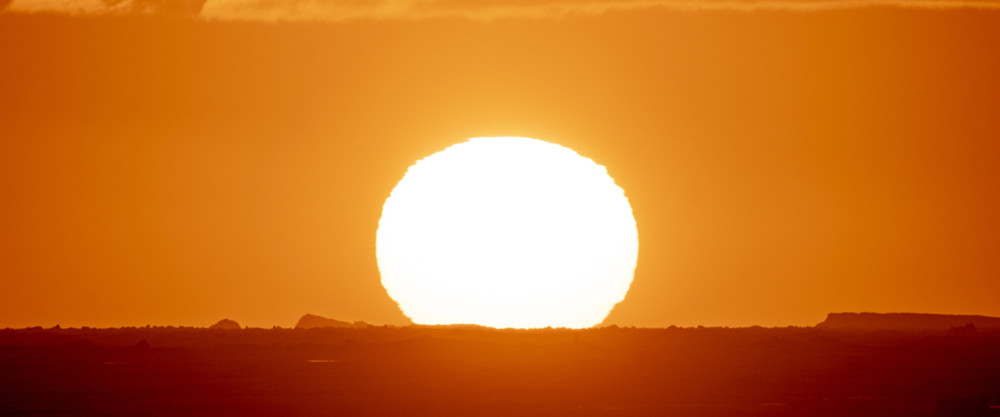
New Zealand scientists were crucial to the success of The Montreal Protocol in restoring the ozone layer. Photo: Earth Sciences NZ.
In response, the Montreal Protocol was signed in 1987. This treaty committed countries around the world to phase out substances that harm the ozone layer.
However, proving the damage from ozone loss and the treaty's effectiveness required long-term, careful measurement. UV radiation varies naturally from day to day and season to season. Detecting real change meant making consistent observations in the same locations over many decades.
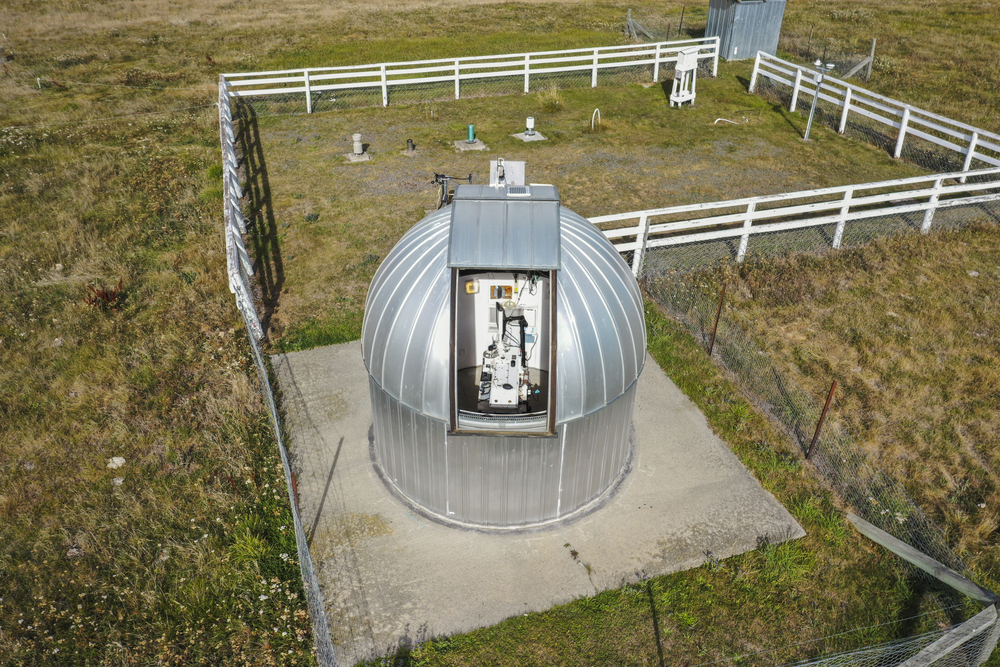
The Dobson ozone spectrophotometer dome at Lauder in Central Otago, measures total column ozone. Photo: Earth Sciences NZ.
At Lauder in Central Otago and Arrival Heights in Antarctica, scientists were already building these records. Their measurements showed that harmful UV radiation was increasing.
Later, they provided clear evidence that ozone depletion had stabilized after international efforts. These long-term observations helped turn a global environmental threat into measurable reality.
Today, the same measurements continue to track ozone recovery and monitor how changes in the atmosphere affect life on Earth.
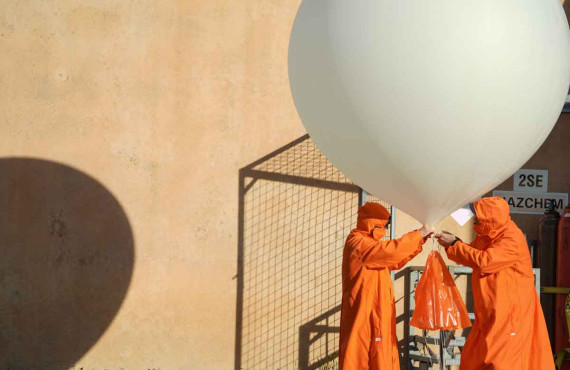
Q&A: Montreal and the fall and rise of stratospheric ozone
Find out more
Celebrating 100 years of science
Learn more about how science is making a real difference for New Zealand.
Go to Science New Zealand website