[Blue cod, Credit: Rod Stewart]
Project coordinator, Niki Davey says the study aims to better understand what happens to blue cod that are caught and released.

Fishers who catch blue cod in the Marlborough Sounds are invited to take part in a new blue cod release research project with Earth Sciences NZ.
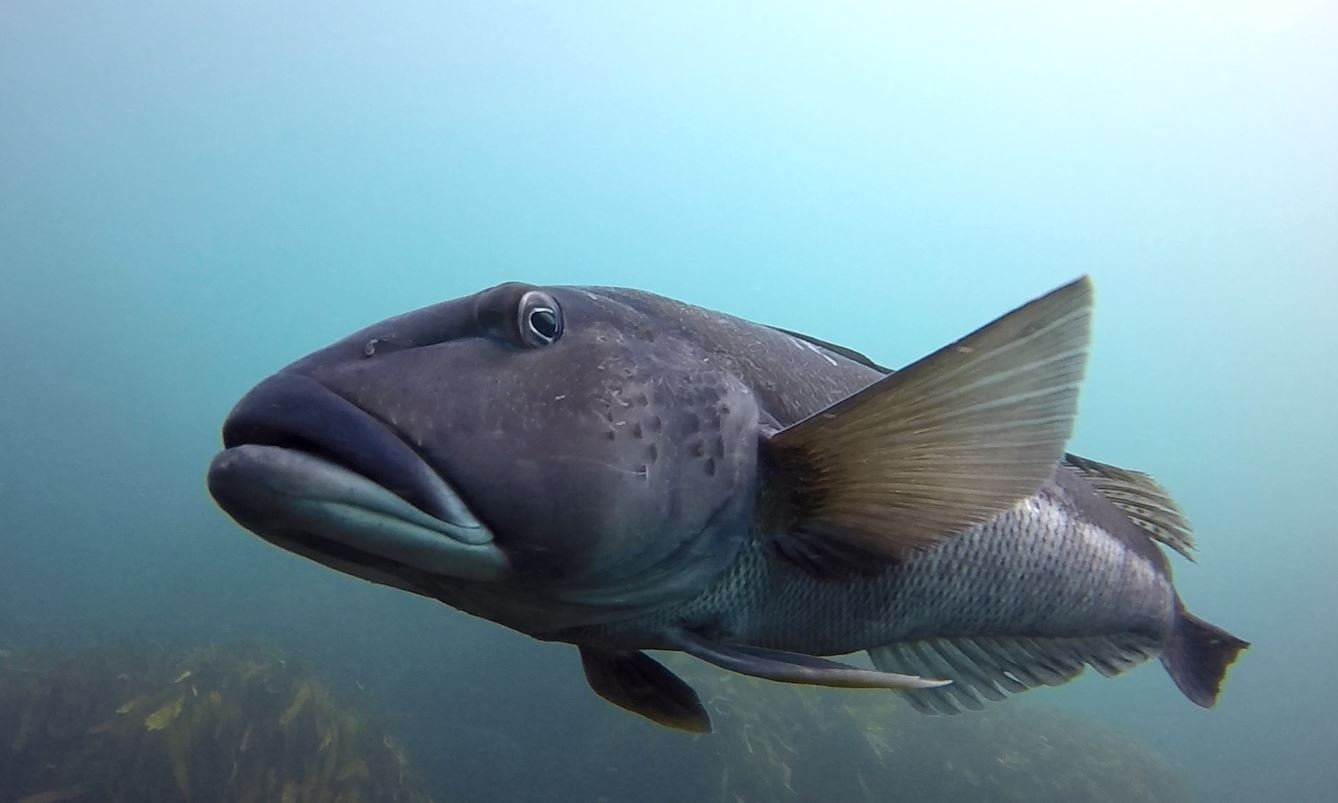
[Blue cod, Credit: Rod Stewart]
Project coordinator, Niki Davey says the study aims to better understand what happens to blue cod that are caught and released.
Project coordinator, Niki Davey
Blue cod is one of the most important in the region, with recreational catches similar in size to the commercial fishery. In the Marlborough Sounds, a large proportion of blue cod caught are returned to the water, often because they are under the legal size.
Recent surveys in the Marlborough Sounds show that most female blue cod are below the minimum legal size, around half of males are also below the minimum legal size, and up to 70 per cent of blue cod caught by private boats are then released.
Commissioned by Fisheries New Zealand, this project is about better information, not more rules.
“This information could be critical for managing the fishery, especially in areas where stocks are under pressure. By taking part, fishers will help ensure that future management decisions for blue cod are based on real world fishing practices and sound science. Every trip recorded, helps,” Davey says.
The project will run for 12 months (May 2026 – April 2027) to capture seasonal patterns in fishing activity.
Fishers in the Marlborough Sounds Area are asked to record simple details about blue cod they catch, whether the fish is kept or released. This includes information such as fish length, capture depth, hook location, whether the fish was bleeding, whether it floated, swam away on release, or was eaten by a shag (or other predator).
There are two ways to record the data. The Citizen Science App. The app is free and easy to use and works without mobile coverage. Data can be entered at sea and submitted once back at the ramp or at home. Fishers can use the app on multiple trips, with no need to manage paper forms or returns.
Secondly, waterproof paper forms will be available at Waikawa, Picton and Havelock boat ramps when staff are present. Measuring mats and clipboards will be provided, and staff can also show fishers how to download and use the app if they’re interested. Completed forms can be returned by photo, email, or dropped into collection boxes at the ramps.
Staff will be working on good weather fishing days at the boat ramps, mainly in the mornings when most fishing trips begin.
Alternatively, fishers can contact Niki Davey at Earth Sciences New Zealand to arrange access to the form or app and a measuring mat: [email protected].