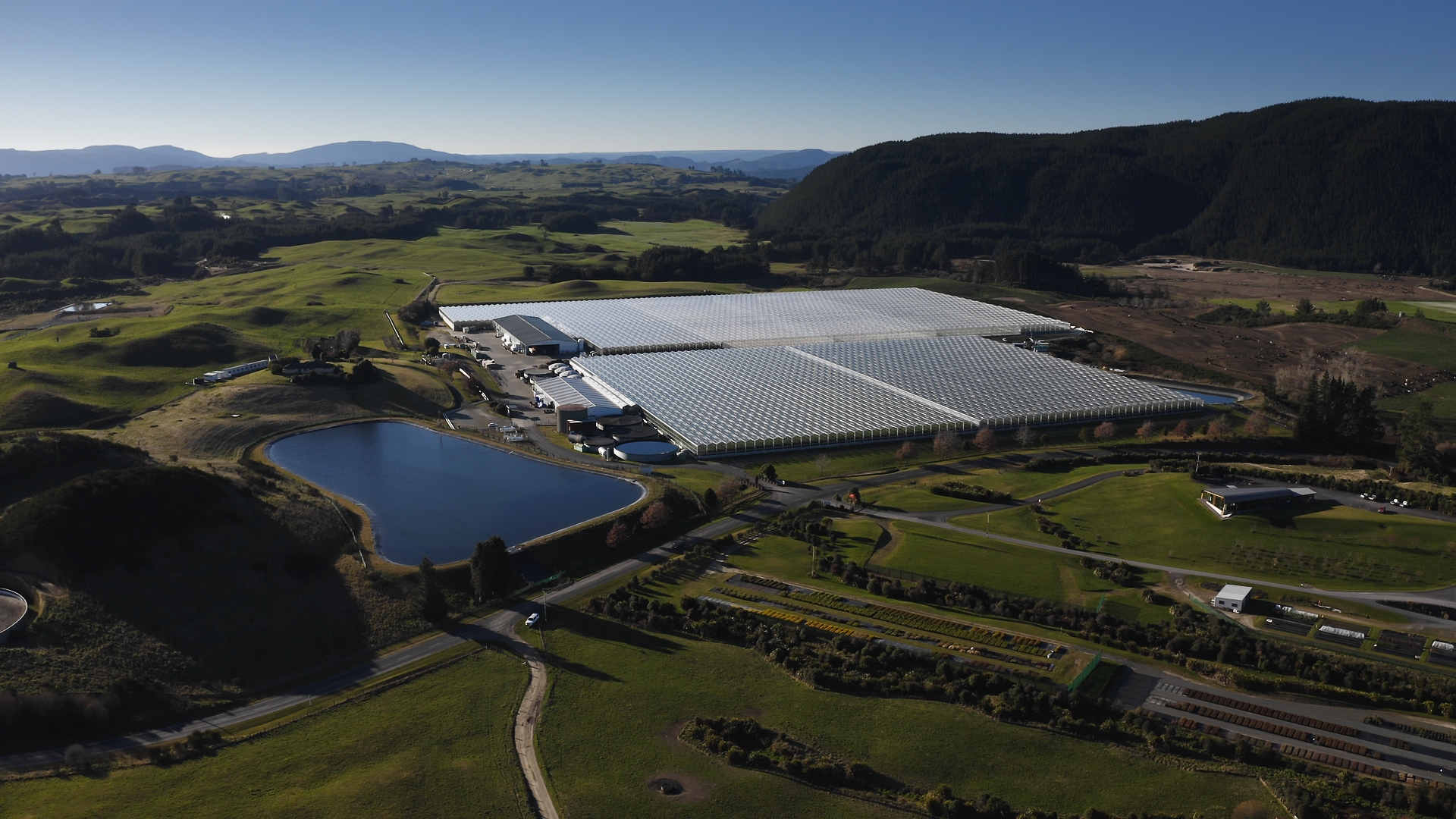
Our country relies year-round on our covered crop growers to produce affordable quality fresh produce, this includes 95% of our tomatoes, capsicums and cucumbers. Many of them operate glasshouses that sweep across from South Auckland to Bay of Plenty. Most of them rely on natural gas, waste oil or coal heating to maintain growing temperatures.
“Energy costs are currently about 40% of a grower’s overhead, heating is rapidly becoming one of the sector’s largest and most volatile operating costs. Keeping the heating on is seriously impacting our growers’ ability to keep operating. While many growers currently have their fuel supply locked in through contracts, the real risk is what happens when those contracts run out, and remaining on gas could become unaffordable,” says Dinah Cohen, General Manager of Covered Cropping NZ.
Dr Anya Seward from Earth Sciences New Zealand says the sector could turn to a more local solution, by rather ironically, looking underground.
“Simply, there is no more efficient way to produce heat than by starting with pre-existing heat. Using the geothermal heat directly in our earth’s crust offers a 24/7, low-emissions heating alternative that is more energy efficient than fossil-fuel burners and electric heating” says Seward.
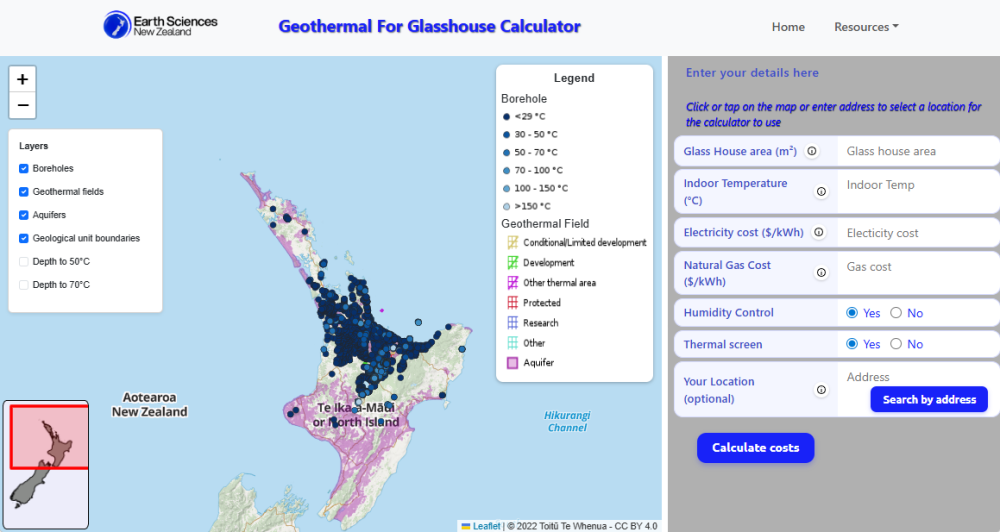
To help growers search for alternative solutions, Seward and her team from Earth Sciences New Zealand and GeoExchange NZ have launched a new “Geothermal for Glasshouses Calculator” . This free online calculator is designed to help covered crop growers assess whether switching from fossil fuel heating to geothermal heating could be technically and economically viable. Growers have already been testing the tool to explore potential heating demand, fuel displacement, emissions reductions, and indicative cost considerations for their specific need.